
Understanding Heart Failure &
Exploring New Treatment Options
A brief, impactful introduction to the topic of heart failure and its treatment options.
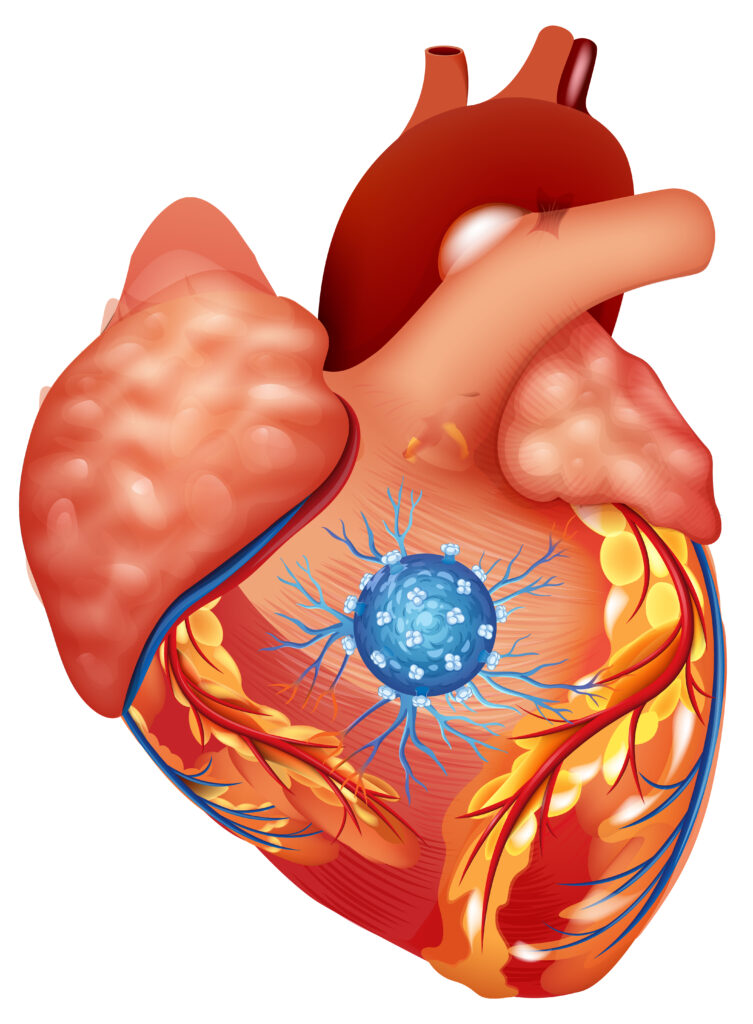
Heart failure is a long-term condition where the heart is not able to pump blood efficiently to meet the body’s needs. This does not mean the heart has stopped working completely, but it is not functioning well enough to support the body properly. As a result, the body may not get enough oxygen and nutrients, which can lead to symptoms that interfere with everyday activities and overall well-being.
Heart failure usually progresses slowly and can get worse over time.
It is often linked to other health conditions such as high blood pressure, coronary artery disease, diabetes, or a previous heart attack. While current treatments help control symptoms and slow the disease’s progression, many people still face challenges that affect their quality of life.
Common Symptoms of Heart Failure
The symptoms of heart failure can differ from person to person and may develop gradually. Some of the most common signs include:
- Difficulty breathing during physical activity or when lying down
- Feeling tired and less able to perform physical tasks
- Swelling in the legs, ankles, or feet
- A fast or irregular heartbeat
- A persistent cough or wheezing
- Sudden weight gain due to fluid buildup
- Trouble with everyday tasks
If not treated, heart failure symptoms can get worse and lead to more serious health problems.Early detection and proper management are essential for better long-term outcomes.

Causes and Risk Factors
Heart failure can result from various conditions that weaken or damage the heart over time.
Common causes and risk factors include:
- High blood pressure
- Coronary artery disease
- Heart attack
- Diabetes
- Obesity
- Kidney disease
- Age and family history
Managing Heart Failure
Managing heart failure usually involves a mix of medications, lifestyle adjustments, and regular check-ups.
Doctors may suggest:
- Heart medicines
- Making healthy lifestyle changes
- Controlling fluid intake
- Managing blood pressure and cholesterol levels
- Attending regular medical appointments
Even with these treatments, some people still experience symptoms, which is why ongoing research is important to develop better and more effective therapies.

Clinical Research for Heart Failure
Clinical trials are carried out to test new treatments that may improve heart function, reduce symptoms, and enhance the quality of life for those with heart failure.
Participating in these studies gives people access to experimental therapies while helping advance heart care. Those who take part in heart failure research receive close medical attention, regular health assessments, and support from qualified healthcare professionals throughout the study.